Why Film Distribution Matters for Indie Filmmakers in the Digital Age
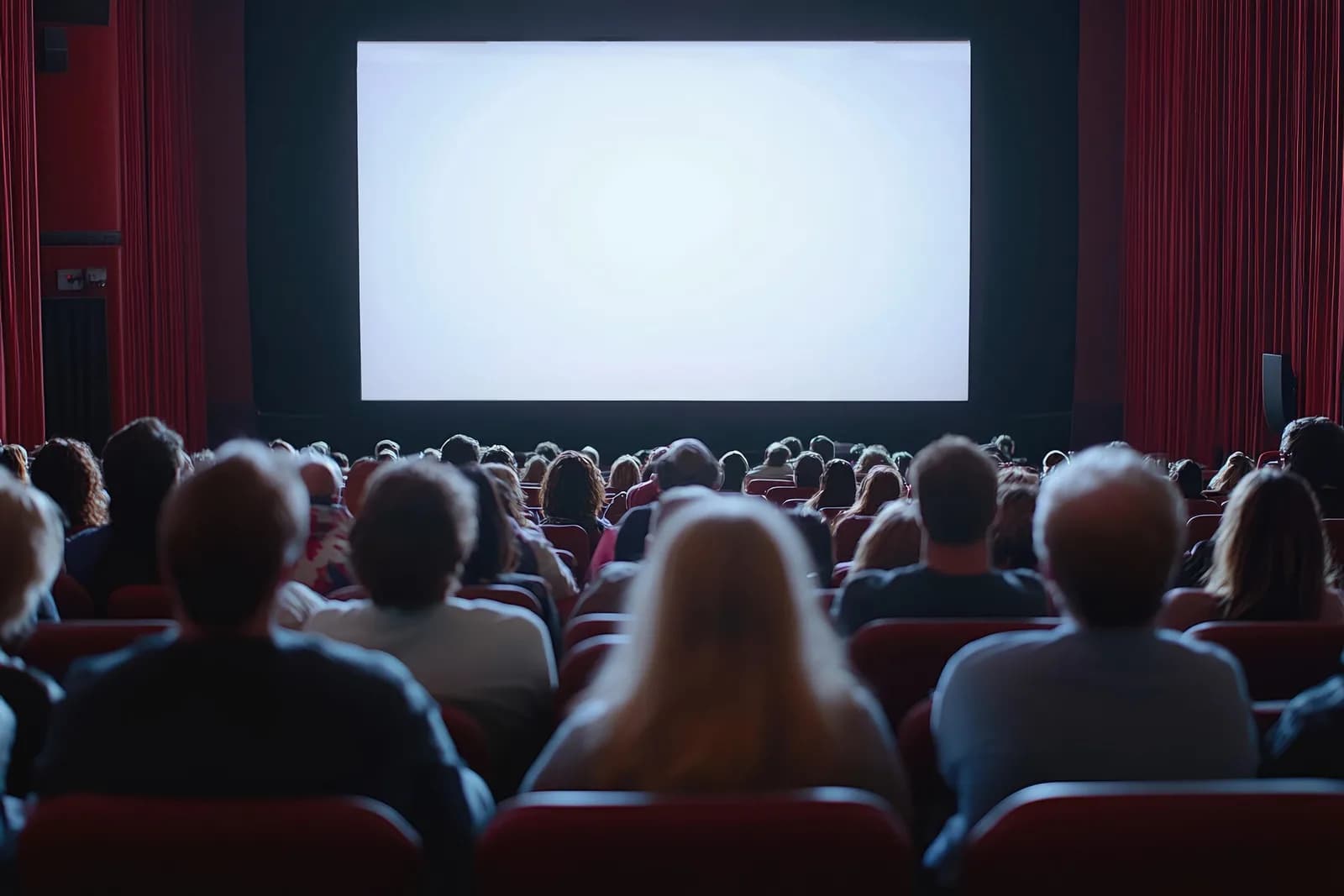
Making an independent film is a creative achievement. Getting it seen is a second, equally important challenge. Film distribution is the bridge between a finished project and the people it was made for-and for indie filmmakers, that bridge needs to be planned, not left to chance.
Today, a film can reach audiences through festivals, event screenings, cinemas, streaming services, video-on-demand platforms, broadcasters, educational institutions, community partners and direct-to-audience releases. Digital tools have created more possibilities than ever, but they have also made the market more crowded. The question is no longer simply whether a film can be released. It is how to give it the best possible path to visibility, value and a meaningful audience.
A Finished Film Is Not Yet a Released Film
Completing a screenplay, securing a cast, shooting, editing and delivering a final cut takes immense effort. But a completed film does not automatically find its audience.
Distribution determines where a film appears, under what terms it is made available, how audiences discover it, which rights are licensed and how the project may generate income or professional momentum. It can lead to reviews, festival invitations, sales conversations, community engagement, future collaborations and a stronger reputation for everyone involved.
For independent filmmakers, distribution is not just the final business step after the creative work. It is part of the life of the film.
A powerful drama may need cultural organisations, local venues and carefully targeted festival audiences. A horror title may perform best through genre festivals, specialist press, online communities and transaction-based digital release. A documentary may build impact through educational partners, charities, campaign groups or discussions that extend far beyond a traditional cinema run.
The right distribution route depends on the story, its audience and the filmmaker’s goals. A one-size-fits-all plan rarely works.
Start Thinking About the Audience Early
A common mistake is waiting until post-production is complete before asking where the film belongs. By then, time, money and creative energy are often running low.
A stronger approach is to ask distribution questions while the project is still being developed:
- Who is this film for?
- What experience does it offer that audience?
- What genre, themes or references will help people discover it?
- Which festivals, platforms, cultural partners or territories are realistic?
- What marketing materials will be needed when the film is ready?
- What rights, music clearances, subtitles and delivery materials must be prepared?
Thinking this way does not mean writing by committee or sacrificing originality for market trends. It means making sure a distinctive story has a real chance to travel beyond the editing room.
A distribution-aware production team plans for materials that are frequently essential at the release stage: a concise logline, synopsis, director’s statement, poster, trailer, production stills, cast biographies, subtitles, captions, music clearance documentation and a professional screener. These are not decorative extras. They help festivals, press outlets, buyers, distributors and audiences understand what the film is and why they should care.
Festivals Still Matter-But They Are Not the Whole Plan
Film festivals remain valuable for independent cinema. They can provide a first public screening, reviews, awards eligibility, industry introductions, audience feedback and a sense of momentum. For a film that fits a specific festival identity, a premiere can become a meaningful part of its story.
But a festival selection is not automatically a distribution deal.
Filmmakers benefit most when they decide what they want from a festival run before submitting. The objective may be to meet a sales agent, attract a distributor, collect press quotes, test audience response, qualify for awards or establish the filmmaker’s reputation for the next project.
That clarity matters because festivals have different audiences, industry attendance, premiere rules, fees and programming priorities. A strategic festival path is more useful than submitting everywhere without a plan.
A basic principle from the independent distribution world is simple: do not wait for a buyer to define the future of your film. Know which rights matter to you, which territories you want to reach and what you are willing to license before a deal appears. Sundance’s distribution resources note that deals can range from all-rights agreements to digital-only arrangements, making rights awareness central to any serious release conversation.
Digital Distribution Changed the Rules
Digital distribution has transformed the way independent films travel. It has lowered some barriers to release, created more channels for discovery and made it possible for filmmakers to connect with audiences outside the traditional cinema-and-broadcaster model.
At the same time, it has not made distribution effortless. Uploading a film is not the same as building an audience for it.
A filmmaker now needs to understand the role of different digital models. Transactional video-on-demand, often called TVOD, allows viewers to rent or buy a title individually. It can work well when a film has built anticipation through festivals, reviews, a recognisable cast or a focused community campaign.
Subscription video-on-demand, or SVOD, makes a film available within a paid service. In most cases, the rights holder licenses the film to a platform for an agreed term and under negotiated conditions. That can provide reach and credibility, but it may also involve exclusivity or limited access to audience data.
Advertising-supported video-on-demand, known as AVOD, gives audiences free access while revenue comes from advertising. It can be valuable for long-term visibility, especially once a film has moved through earlier release windows. FAST, meaning Free Ad-Supported Streaming Television, is related but distinct: it places titles within scheduled, channel-like streaming environments rather than solely on-demand libraries.
For some projects, direct-to-audience release is equally important. A filmmaker may use a website, email list, ticketed online event, community partnership or creator-led platform to sell or rent access directly. This route can offer more control over price, audience communication and campaign messaging, although it also requires more operational work.
The digital evolution has not removed the need for distributors, aggregators or sales agents. It has given filmmakers more choices-and made it more important to understand the consequences of each choice.
One Film Can Have More Than One Release Window
The most effective indie distribution strategies often use more than one route over time.
A film might begin with a festival premiere to create visibility and collect reviews. It could then move to local event screenings or a limited theatrical release, especially in cities where the story, cast or subject already has relevance. A transactional VOD release may follow for viewers prepared to rent or buy it, before the project later enters an AVOD, FAST or subscription window focused on broader, longer-term discovery.
This approach is commonly known as windowing. It is not a rigid formula. The right order depends on the film’s genre, financing, contracts, audience, territory and commercial objective.
What matters is that the filmmaker understands the trade-off. A deal may offer prestige but limit future options. A platform may create visibility but provide little marketing support. A long exclusive term may prevent a filmmaker from using a direct-release strategy, educational licensing or territorial partnerships later.
Independent distribution specialists therefore encourage filmmakers to examine rights carefully: which territories are covered, how long the agreement lasts, whether it is exclusive, which formats are included, what marketing commitment exists and how revenue reporting will work.
Your Audience Is Part of Your Distribution Strategy
The most valuable asset an independent filmmaker can build is not only a completed film. It is a relationship with people who may genuinely care about the work.
Social media can introduce a project to new audiences, but an email list, website and community can create a more direct and durable connection. These owned channels allow filmmakers to share a trailer, announce a screening, invite people to a Q&A, offer rental links, gather feedback and keep supporters informed about the next project.
The key is to provide value before asking for attention or money. A filmmaker can share production stories, creative research, location features, cast conversations, visual references, practical filmmaking lessons or thematic context behind the film. Each piece of content should help audiences feel closer to the story without giving away the experience of watching it.
For example, a filmmaker releasing a drama about migration might collaborate with cultural associations, universities and diaspora communities. A genre filmmaker might build anticipation through practical-effects behind-the-scenes clips, horror-festival updates and conversations with fans. A film about music could find its first advocates through artists, venues and local scenes connected to its soundtrack or setting.
The goal is not to speak to everyone. It is to identify the people most likely to become viewers, reviewers, supporters and advocates.
Self-Distribution Is a Real Option-Not an Easy One
Self-distribution can offer creative control and flexibility. It may allow a filmmaker to decide the release date, retain selected rights, set pricing, communicate directly with viewers and build a long-term catalogue around a production company or personal brand.
However, self-distribution is not simply a matter of putting a file online. It requires professional preparation and responsibility.
A filmmaker who self-distributes may need to coordinate technical delivery, metadata, artwork, captions, subtitles, payment systems, customer support, marketing, accounting, tax obligations, data protection and audience communications. When platforms do not accept direct submissions, aggregators can help deliver films to multiple outlets, but their deal terms, fees, rights requirements and reporting systems still need careful review.
The best choice is not automatically “traditional distribution” or “do it yourself.” Many filmmakers use a hybrid model: they may work with a sales agent for selected territories, use an aggregator for digital delivery, retain educational rights, organise event screenings independently and grow a mailing list for future releases.
A modern independent release is often less about finding one perfect buyer and more about creating a coherent mix of partners, platforms and audience relationships.
Distribution Data Can Improve Future Films
Digital releases can generate information that was previously harder to access. Filmmakers may learn which trailer converts best, where an audience is located, which platforms produce rentals, which campaigns attract mailing-list sign-ups and whether viewers engage with a particular theme, performer or genre promise.
This data should not dictate creativity. It should support better decisions.
A trailer with high views but low completion may not explain the central story quickly enough. A strong response from an unexpected territory could suggest a need for subtitles, local press outreach or a regional screening partner. A particular behind-the-scenes feature may reveal that audiences are as interested in the making of the film as the final work.
The meaningful measurements are not isolated views or likes. They include ticket sales, rental or purchase conversions, watch time, completed views, email sign-ups, repeat engagement, reviews, audience recommendations and opportunities created for the filmmaker’s next project.
Build a Distribution Plan Before You Need One
Before sending a film to its first festival, it is worth creating a simple distribution-readiness plan.
Start with the core story tools: a clear logline, a short synopsis, a longer synopsis and a concise answer to the question, “Why will this audience care?” Identify comparable films, possible viewer communities and realistic release paths.
Then prepare the materials that help a film move professionally through the market: a screener, trailer, poster, production stills, cast and crew biographies, director’s statement, press kit, subtitles, captions and accurate technical specifications.
Finally, map the business side. List rights ownership, music and archive clearances, target territories, relevant festivals, possible distributors or sales agents, direct-release options, launch costs and a basic calendar for outreach.
This is not a guarantee of success. It is a way to avoid preventable mistakes and make stronger choices when opportunities arrive.
Distribution Is How a Film Continues to Live
A premiere is exciting, but it is only one moment in a film’s life. Distribution is what allows a project to continue: to travel to another city, reach a new audience, create a discussion, earn a review, make a return, open a professional door or inspire someone who finds it years after its release.
For independent filmmakers, success does not have one definition. One project may need a prestige festival launch. Another may be best served by a focused digital release. Another may create its greatest impact through schools, community partners or niche international audiences.
The most important step is to stop seeing distribution as something that happens after filmmaking. It is part of filmmaking itself.
Turn Knowledge Into a Film Plan
Understanding the distribution landscape is the beginning. The real challenge is turning a screenplay, a finished cut or an early-stage idea into a professionally structured project with a defined audience, a persuasive pitch, a realistic budget and a distribution route that protects its value.
Show, Don’t Tell by AL FENDERICO is a step-by-step handbook for aspiring screenwriters, producers and directors. It goes beyond general advice by connecting visual storytelling, screenplay development, pitching, casting, budgeting, production, legal awareness, festival strategy and distribution within one practical filmmaking process.
If you want to move from “I have a film idea” to “I have a film plan,” buy Show, Don’t Tell at www.showdontellhandbook.com.